
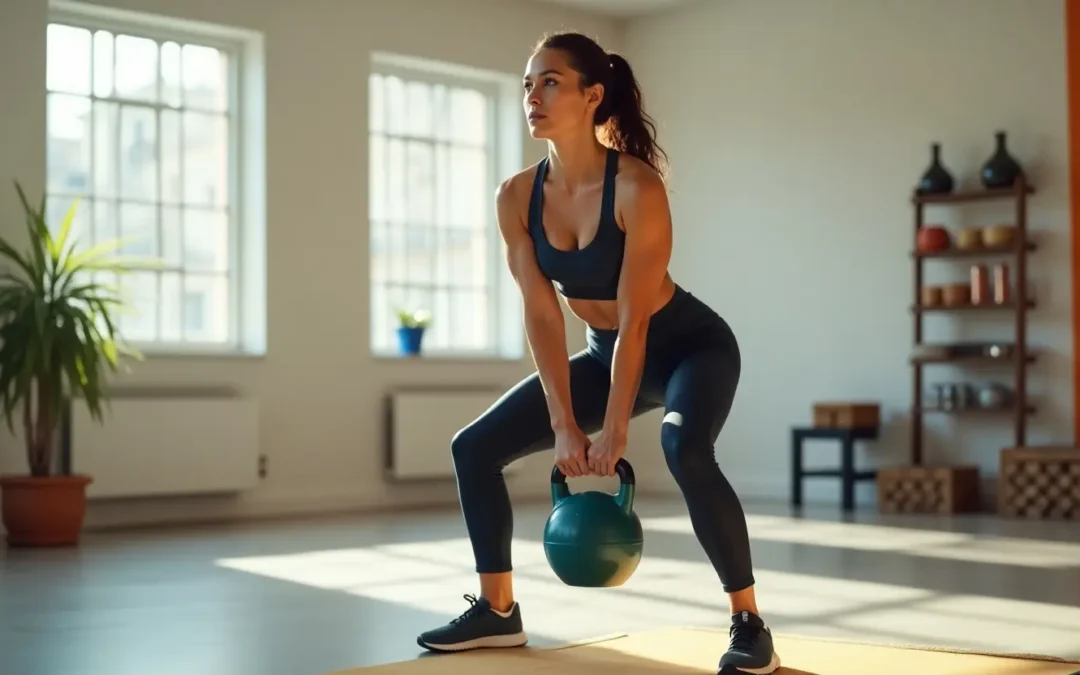
Kettlebell Core Workouts to Rebuild Strength, Postnatal or Beyond

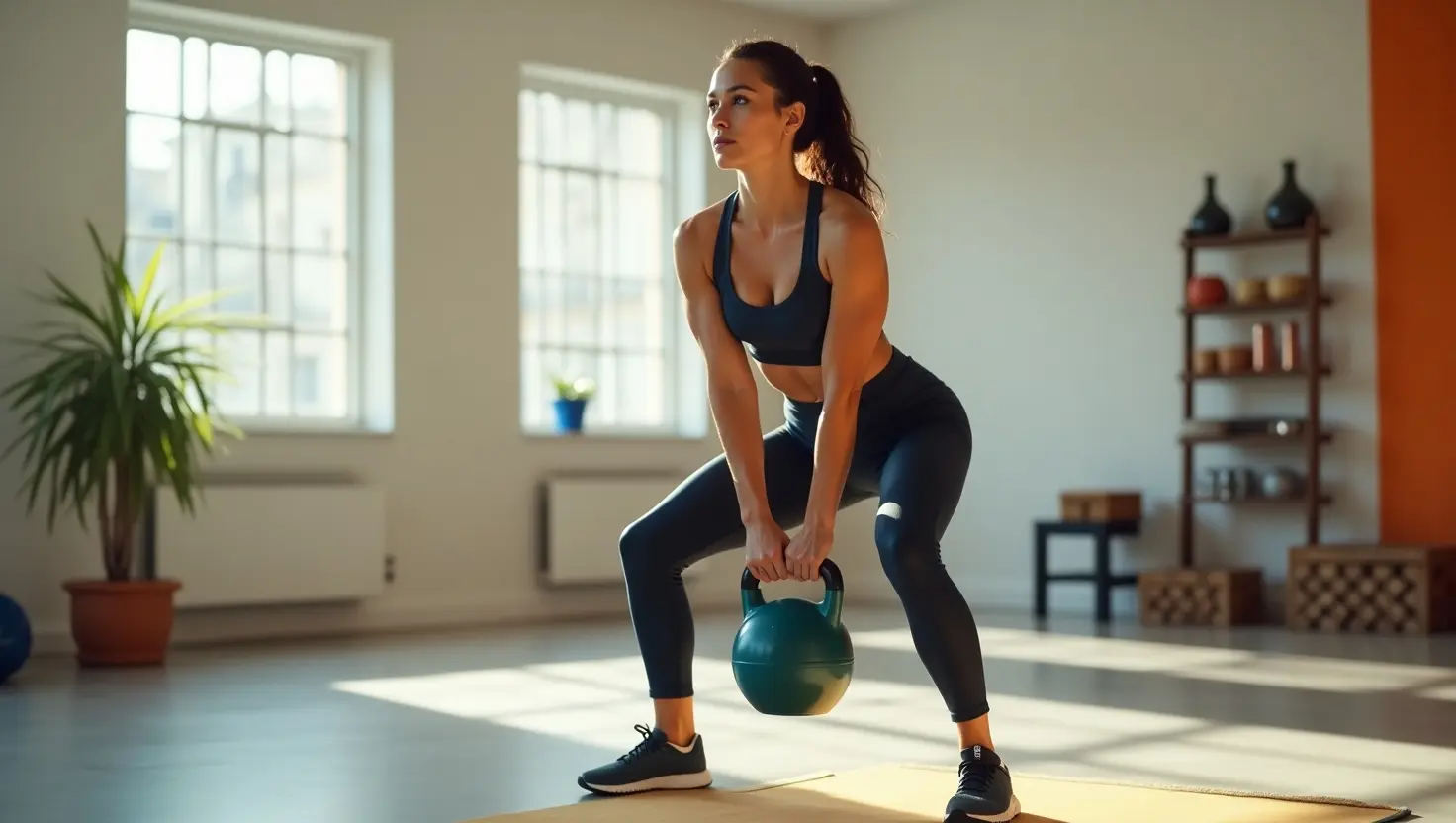
Safe kettlebell core exercises women can trust make rebuilding strength simple and effective, whether postnatally or returning after a break. These 5 powerful moves help improve core stability, protect your back, and reconnect your breath and fascia—without pushing too hard. Start where you are and build confidence with gentle kettlebell workouts designed to support your body’s natural rhythms and resilience.
Safe Kettlebell Core Exercises Women Can Use After Childbirth
Your core isn’t just your abs—it’s a deep, layered system that includes fascia, breath, and balance.
When this system is strong and responsive, daily movement feels easier. You’re more stable when you walk, bend, lift, or twist. You protect your back. You carry yourself with more ease.
Mindful, safe kettlebell core exercises for postnatal women help rebuild this connection, especially after pregnancy, inactivity, or hormonal changes.
Foundational Core and Fascia Workouts with Kettlebells
Gentle kettlebell workouts for women’s core strength don’t require heavy weights. Start with a kettlebell that feels manageable but present—commonly 2kg or 4kg for most beginners.
H3: Deadlifts – A Smart Kettlebell Core Move
Start with 4kg if you’re brand new, or 6–8kg once your form is dialled in.
Deadlifts engage your hips, glutes, and deep core—perfect for reconnecting the whole body.
-
Stand with feet hip-width apart, kettlebell between your ankles.
-
Exhale as you hinge at the hips, keeping your spine long.
-
Grip the handle with both hands and press through your heels to rise.
-
Inhale to lower with control, maintaining connection through hips and core.
You should feel strength—not strain—through the belly and hips.
H3: Goblet Squats: Safe Kettlebell Core Exercises Women Trust
Begin with 2kg or 4kg to learn the breath-timing and alignment. Gradually work up to 6kg or 8kg.
-
Hold the kettlebell at your chest, elbows tucked under.
-
Lower into a squat as you inhale gently, keeping the chest lifted.
-
Exhale as you rise, engaging the belly inward without gripping.
-
Maintain a proud spine and relaxed shoulders throughout.
This builds integrated power, not just leg strength.
H3: Farmer’s Carries: Everyday Kettlebell Core Strength
Start with 2kg or 4kg in each hand. You can scale up to 6–8kg when posture remains steady.
-
Hold a kettlebell in each hand by your sides.
-
Stand tall with soft ribs and relaxed shoulders.
-
Walk slowly for 20–30 seconds, resisting side-to-side sway.
Your fascia responds to this kind of slow, loaded movement—perfect for real-world strength.
H3: When to Pause or Modify Kettlebell Core Workouts
You might be wondering, what are safe kettlebell core exercises for women?
If you notice:
-
Bulging or doming along the belly
-
Pressure or leaking
-
Low back discomfort
➡️ Dial back. Use lighter weights (2–4kg) or reduce the range of motion. Prioritise breath and form.
Progress comes from trust, not tension.
If you are also concerned about your weight or your overall fitness we have another blog that goes deeper into the benefits of Kettlebells for fat loss and for healthy Fascia.
H2: Breath Is What Ties It All Together
Breathing well during kettlebell movements helps regulate pressure, engage deep abdominal layers, and protect your pelvic floor. It’s what transforms strength into stability.
My colleague is creating a series that dives deeper into breathwork for core training. Keep an eye out—it’s worth your time.
H2: Take Your Time, Stay Curious
Kettlebells offer a powerful way to explore strength, flow, and fascia awareness. There’s no rush. Let each movement teach you something new.
Move with kindness. Start where you are. And trust that it’s enough.
H3: Follow Us for Safe Kettlebell Core Tips
Want more tips on safe, fascia-smart core training?
For kettlebell workouts Southsea women trust, follow our journey on Instagram for more safe core training tips.
For insights on safely transitioning back to kettlebell training post-birth, refer to guidance from Joanna Helcké, who outlines when and how new mums can reintroduce kettlebell strength work
.
You may also like to read:
-
Before adding more intensity, you can try these low-impact resistance moves first to build gentle stability.
- To prep your body, first improve hip flexor mobility.
H2: Join the Conversation
These exercises are only the start. Your breath and awareness make the biggest difference. My colleague (and our resident breathing expert) will be sharing deeper breathing techniques that tie everything together.
You can Comment or ask questions on this post in Instagram.
We would love to hear from you!
Want to explore more about how fascia influences movement, mood, and memory?
Visit our fascia-informed movement and emotional wellbeing homepage to dive deeper into the science and practice.